Understanding Radon Mitigation Cost: What Affects the Price of a System
When you test your home for radon and the results come back above four picocuries per liter, the next question is almost always about the radon mitigation cost. I have been in this field long enough to know that a homeowner wants a clear answer, not a vague range. But the truth is, the price depends on several factors that are unique to each house. A straightforward installation in a house with a full basement and a gravel footing can be relatively affordable. A house with a crawl space, multiple slabs, or tricky soil conditions can push that number higher. Let me walk you through what goes into that estimate and why some jobs cost more than others.
Before we talk dollars, it helps to understand how a typical radon mitigation system works. Most homes in St. Louis use something called sub-slab depressurization. A contractor drills a hole through the basement floor, excavates a small pit below the slab, and installs a pipe that runs up through the house and out the roof. A radon fan is mounted on that pipe, usually in the attic or outside, to create a continuous vacuum under the slab. That vacuum pulls soil gas away from the house and vents it safely above the roof line. The system also includes a manometer - a U-shaped tube filled with colored fluid that shows whether the fan is working. A simple setup like this can be done in a day.
Why Installation Costs Vary
The radon mitigation cost for a system like the one I just described typically starts around one thousand dollars and can go up to two thousand five hundred or more. The biggest variable is the house itself. A house with a full basement and an open floor plan is usually the easiest. The contractor can find a good spot for the suction point, run the pipe up through a closet or a pipe chase, and get the fan installed without much trouble. But if the house has finished walls, a dropped ceiling, or a lot of built-in cabinetry, the labor goes up. The crew has to work carefully to avoid damaging finishes, and they may need to route the pipe through less convenient paths.
Another factor is the type of foundation. A house built on a crawl space is harder to mitigate than a full basement. In a crawl space, the crew often has to lay pipe under the vapor barrier, seal the ground cover, and sometimes install a sump pump or a separate suction point. Crawl spaces are cramped, dark, and often damp. That makes the work slower and more physically demanding. The cost goes up accordingly. I have seen crawl space jobs run fifteen hundred to three thousand dollars depending on access and the size of the area.
Additional Factors That Affect the Bottom Line
The condition of the soil and the house's construction also matter. If the house sits on heavy clay soil that does not pull vacuum easily, the contractor may need to install multiple suction points. That means more pipe, more labor, and a larger fan. In some cases, the crew has to break up concrete or dig trenches to lay the pipe. That kind of work adds time and expense. On the other hand, houses built on gravel or sand usually pull vacuum very well, and a single suction point is enough.
The location of the radon fan also affects cost. If the fan goes in the attic, the crew has to run electrical wiring up there, which can be a hassle if the attic has limited access. Some fans are mounted on the outside of the house, which avoids the attic work but requires a weatherproof enclosure and a more durable fan. Each approach has trade-offs. The contractor will choose the method that works best for your house, but the price will reflect the extra materials and labor.
Sealing obvious radon entry points is another part of the job. Cracks in the foundation floor, gaps around pipes, and openings around sump pumps all need to be sealed with a high-quality sealant. If the house has a lot of visible cracks or a very porous block wall, the sealing work can add to the total. A good contractor will not cut corners here, because sealing improves the system's efficiency and helps the manometer show a stable vacuum.
Testing and Verification Costs
Any responsible mitigation should include post-installation verification. After the system is running, a contractor will place a radon test kit or a continuous radon monitor in the lowest livable area to confirm that the radon level has dropped below the EPA action level. This step is sometimes included in the quoted price and sometimes charged separately. I always recommend asking upfront. A follow-up test that runs for two to seven days is the only way to know the system is working. Without it, you are just guessing. The cost of that test is usually between one hundred and two hundred dollars, and it is money well spent.
Some homeowners also choose to buy a continuous radon monitor for ongoing peace of mind. These devices cost a few hundred dollars and give real-time readings. They can help you spot seasonal changes or a fan failure before the radon level builds up again. I like them because they take the mystery out of the system's performance. You can see the vacuum gauge drop if something goes wrong, and you can check the monitor to confirm the air is clean.
Comparing Systems: Retrofit vs. New Construction
If you are building a new house, you have the chance to include radon-resistant new construction features at a very low cost. A passive system of pipes running from under the slab up to the roof can be added for a few hundred dollars during the foundation phase. If radon levels later turn out to be high, you can add a radon fan to that passive pipe and turn it into an active soil depressurization system. That retrofit is much cheaper than installing a full system from scratch. Many builders in St. Louis now include these rough-in pipes as standard practice, and it makes a lot of sense.
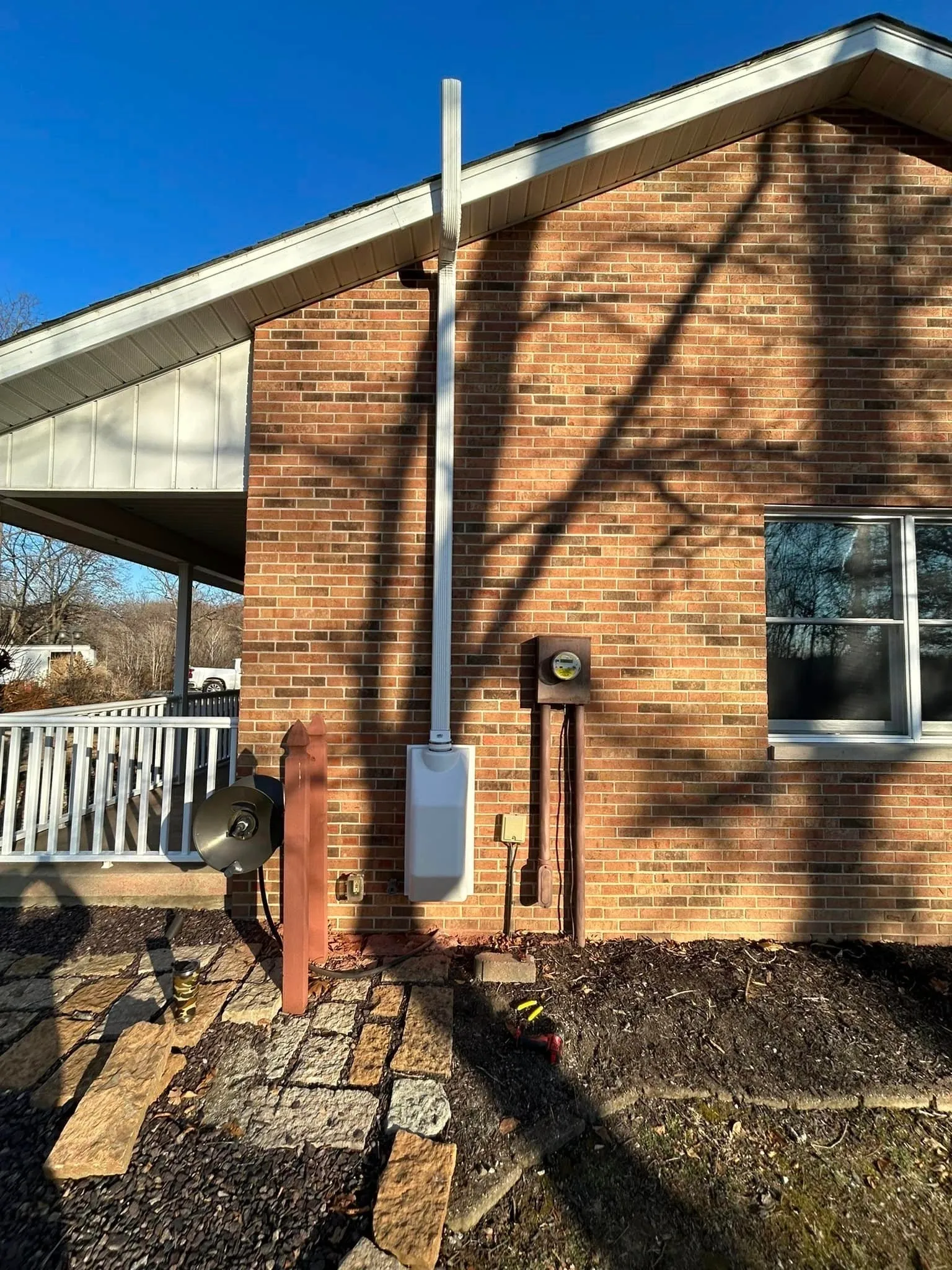
For an existing house, the radon mitigation cost is higher because the work is done after the concrete is poured and the walls are finished. But even at two thousand dollars or more, mitigation is one of the most cost-effective home improvements you can make. The health benefits are immediate, and the system adds value to the property. A house with a working radon mitigation system is more attractive to buyers, especially in areas where radon is known to be a problem.
Regional Differences and Local Contractors
Prices vary by region. In St. Louis, where Air Sense Environmental and other experienced contractors serve a large market, the competition keeps prices reasonable. You can expect a solid installation from a reputable company for around twelve hundred to twenty-five hundred dollars for a typical basement job. In rural areas or places with fewer qualified contractors, the price can be higher because the crew has to travel farther and there is less competition. I have heard of jobs in remote parts of the country costing three thousand dollars or more for a simple system.
It also matters who does the work. A licensed, experienced contractor will charge more than a handyman who watched a few videos online. But the difference in quality is huge. A professional crew will know how to avoid the radon stack effect, which can pull radon into the house if the system is not properly sealed. They will test the vacuum with a vacuum gauge before they leave. They will make sure the manometer is installed where you can see it. And they will stand behind the work with a warranty. Cutting corners on installation can cost you more in the long run, either from a system that does not work or from damage to your home.
What a Quote Should Include
When you ask for a quote, look for these elements: a site inspection, a written estimate that lists all materials and labor, a description of the proposed system, and a clear statement about what is included for post-installation verification. The contractor should also explain any potential extra costs, such as additional suction points, difficult access, or extensive sealing. A good quote will tell you what the radon mitigation cost covers and what it does not. If a contractor gives you a flat price over the phone without seeing your house, I would be skeptical. Every house is different, and a real quote requires a visit.
You can also ask about financing or payment plans. Some homeowners are surprised by the cost, but many contractors offer flexible payment options. The investment is worth it. Radon is the second leading cause of lung cancer after smoking, according to the EPA. Reducing your exposure is not something to put off. Once the system is installed and verified, you can stop worrying about radon and focus on the things that matter more.
In my experience, the people who ask the most questions about cost are the ones who end up most satisfied with their system. They understand what they are paying for, and they see the value. The radon mitigation cost is not just a line item on a receipt. It is the price of clean air in your home. And that is something you cannot put a price on.